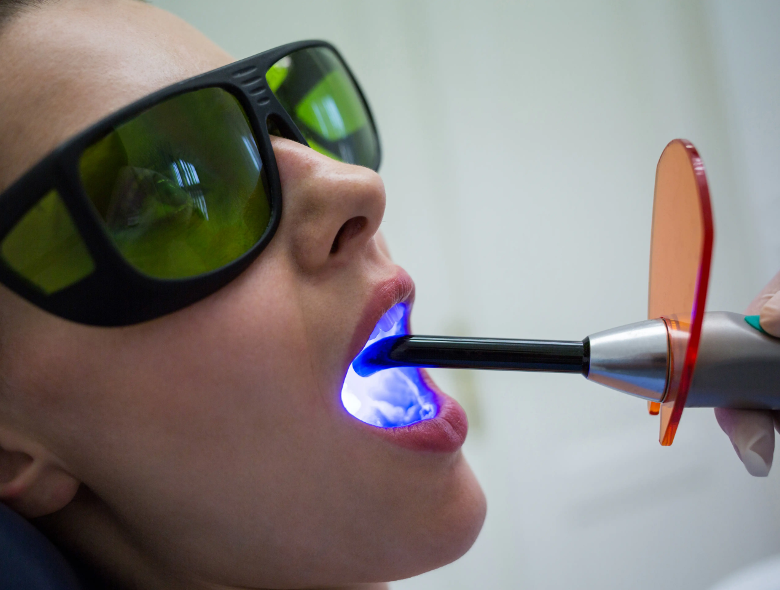
Root canal treatment is a very common dental procedure that offers a perfect alternative for saving a painful tooth.
Pain after root canal treatment is not the most natural side effect, as the treatment should actually eliminate it.
Whether it's toothache caused by decay, infection, or injury, the essence of root canal treatment is to permanently anaesthetise the affected tooth by removing the diseased pulp.
To do this, the dentist will open the crown of the tooth, then seal the surface with a filling after removing the diseased pulp, but in cases of severe tooth loss, an artificial crown may be necessary. What to do if you experience pain after a root canal?
Although this is normal in some cases, we need to learn to recognise abnormal pain associated with root canal treatment and to know the causes so that we can seek dental advice as soon as possible if there is a problem.
In this article, we offer useful practical advice and information on this!
Mild pain is completely normal after root canal treatment
It's important to establish from the outset that some pain after root canal treatment is considered entirely normal, as our bodies need time to heal completely.
Let's see which features or complications can still be considered natural after the procedure:
Mild pain
Mild pain can occur for several days after root canal treatment. This is completely normal, particularly during chewing or biting, and can always be alleviated with over-the-counter painkillers.
Minor swelling
A small swelling often appears around the treated tooth, but this will subside within a few days. If necessary, icing or antibiotics can be used to aid healing.
Sensitive gums
Tenderness of the gums around the procedure may persist for days afterwards. This is perfectly normal and is only a cause for concern if it is severe or does not subside weeks after the root canal.
Pressure sensitivity
A tooth that has undergone treatment may be sensitive to pressure for some time. This is due to the healing of the tissues surrounding the tooth and typically resolves itself within a few days.
You should see a dentist immediately if you experience pain after root canal treatment in the following situations:
So, as it turned out, mild discomfort after root canal treatment is completely normal, but there are some symptoms worth paying special attention to, as they may necessitate a dental check-up or intervention. These are as follows:
Intense pain
It is always a cause for concern if the pain after root canal treatment is very intense, severe and does not subside after a few days. In this case, either the infection is not completely gone or there is another problem that needs to be investigated.
Non-remitting swelling
Minor swelling is perfectly normal, but if you find that it does not go down after root canal treatment, persists for days, or even gets worse, it could indicate an infection.
Lasting sensitivity
If the tooth or its surroundings remain sensitive to external influences, especially cold and heat, after treatment, this may indicate that the root canal treatment has not solved the problem or that there is a problem with a neighbouring tooth.
Causes of post-root canal pain
What can cause toothache, even after root canal treatment, meaning all the nerves that can generate pain have been removed? At this point, we have compiled all possible reasons that can lead to pain after root canal treatment:
Inflammation
One of the most common causes of toothache after root canal treatment is usually inflammation following the procedure. It can be mild, usually as a result of a quick procedure, but it can also be caused by an infection, often accompanied by swelling.
In most cases, the inflammation is only mild and the strong immune system alone is sufficient to fight it, so there should be a noticeable and visible improvement day by day, as the pain naturally subsides.
Bone infection
Although all infected tissue and caries are removed from the tooth during root canal treatment, there is still a risk of infection getting into the bone, especially in more complicated anatomical structures.
Another common cause of pain after root canal treatment is that the oral cavity is full of good and bad bacteria that can colonise around the root of the tooth and, if they get into the bone, cause infection, inflammation and significant pain.
A common complication in patients with a weakened immune system, which is unable to destroy pathogens following root canal treatment. The process can be supported with antibiotic treatment, which helps to suppress the infection.
This can happen before or even after the treatment, because bacteria can enter the sealed tooth canal and cause this phenomenon.
The chance of this can be significantly reduced with laser-assisted root canal treatment, as the special dental laser helps to destroy bacteria on the entire surface of the root canal and disinfect the entire tooth.
Missed root canal
Root canals run along the inner surface of the teeth, which are interconnected by blood vessels and nerve fibres. These provide the teeth with the ability to sense and the nutrients they need to stay healthy.
Root canal treatment involves cleaning out these canals, which means that not only the infected tissue and decay but the entire tooth socket is removed. However, despite the greatest care, it is still possible for a canal to go unnoticed and untreated.
This is a major problem because bacteria can easily settle in such root canals, and if pathogens multiply inside the tooth, it can lead to significant pain and sensitivity.
If a root canal is missed during treatment, the tooth must be reopened and the treatment repeated. This problem can also be more easily avoided if we opt for laser microscopic root canal treatment instead of traditional methods.
Ingress of filler or air into the root tip
During the root filling process, it is possible that too much filler is placed in the root canal and the excess is removed through the root tip. This can also cause considerable pain after root canal treatment in some cases.
If the root tip itself was also infected before treatment, it is possible that there is some room for excess filler. In this case, you may not notice the overfilling, but otherwise it can cause a lot of inconvenience.
In professional dental practices, this is now very rare, and it is also extremely rare for air to be introduced to the root apex.
These air bubbles can usually remain in the area during the treatment and usually dissipate on their own, but in the meantime they can cause uncomfortable pressure and pain.
Oversized filling or crown
Pain after root canal treatment can also occur with an oversized filling or crown. If these types of restorations do not fit the tooth structure after the procedure, they can often be painful to bite or chew on for days afterwards.
In these cases, of course, there is no need to repeat the root canal treatment, just sand down or adjust the filling or crown if possible, but in more severe cases, replacement is needed to relieve the pain.
Phantom limb pain
Phantom pain is a very interesting phenomenon that patients often experience after dental treatment, for example after tooth extraction. In essence, the patient can still feel or have pain in the tooth even when it is no longer there.
This phenomenon can occur relatively rarely, but also after root canal treatment. Its background is the same as phantom pain experienced during tooth extraction: the nerves leading to the affected tooth remain sensitive despite the diseased parts having already been removed.
In most cases, no intervention is needed at all, the phenomenon disappears on its own after a few days.
How can pain after root canal treatment be managed?
As pain after root canal treatment is very often quite common, it is important to talk about how it can be treated or reduced after treatment before you go to the dentist:
Pain relief:
If there is no particular complication, over-the-counter painkillers should help to relieve the pain. If over-the-counter medicines are not enough, a follow-up test is needed.
Avoiding hard foods:
For days after the treatment, it is recommended to avoid foods that require vigorous or heavy chewing. It is advisable to choose softer dishes, smoothies and drink plenty of fluids at least for the first few days.
Gentle tooth cleansing:
It is essential to keep the environment around the root canal tooth clean, but extra care is advised in the first few days. It is advisable to clean the area gently with a soft-bristled toothbrush and floss to avoid irritation.
If necessary, request a control test immediately:
If the pain is unrelenting, the area around the tooth is swollen and there are signs of severe inflammation, it is worth getting a check-up as soon as possible, as it is possible that a repeat treatment may be necessary.
Frequently asked questions
Is my tooth supposed to hurt after a root canal?
Mild pain – which can usually be alleviated with over-the-counter remedies – is completely normal, as is minor tenderness and swelling.
How long does the pain after root canal treatment last?
It depends on the patient. Most people usually only experience mild discomfort for a few days, meaning that the pain should have gone by 5-7 days after treatment.
When do you need antibiotics after root canal treatment?
Only if the procedure has caused a complication, such as infection or inflammation, or if the patient's immune system is not functioning properly.
When should you seek immediate medical attention for post-root canal pain?
It is most common when the pain is severe and unrelieved, there is significant swelling in the oral cavity, and there is difficulty breathing and swallowing, and possibly fever.
Is a cold or warm water compress recommended to relieve the pain?
For the first 24-48 hours after treatment, cold compresses are recommended to reduce swelling, followed by warm compresses to help relieve pain.
Can pain after root canal treatment radiate to other teeth?
Because of the procedure, the pain may be difficult to localise and the patient may feel that other teeth are also hurting. This usually resolves itself within a few days.
If chewing is painful after a root canal, it could mean a number of things. It might be that the tooth is still healing, which is common after root canal treatment and can last for a few days or even a couple of weeks. Sometimes, the inflammation in the tissues around the root can cause this discomfort.
However, it's also possible there's a complication. Perhaps the root canal treatment wasn't entirely successful, and there's still an infection present. Another possibility is that the tooth has a crack or fracture, which can become more apparent when pressure is applied during chewing. In some cases, the bite might need adjusting if the tooth feels too high after the procedure.
It's really important to go back to your dentist if the pain is severe, doesn't improve, or gets worse. They will be able to properly diagnose the cause and recommend the best course of action.
Usually it means that the tooth is still inflamed and may need some adjustment to the filling or crown.
May root canal retreatment be needed in case of pain?
If the problem is caused by an inadequately cleaned or unsealed root canal, it can be resolved with repeated root canal treatment. This possibility can be reduced to a minimum with laser microscopic root canal treatment.
What to do if pain occurs alongside diabetes or immunodeficiency?
As there is an increased risk of infection in these cases, it is often necessary to administer antibiotics on doctor's orders after root canal treatment as a preventive measure, and to carry out more frequent check-ups.