Contrary to popular belief, wisdom teeth do not bestow wisdom upon us, but they can cause numerous problems. They are our rearmost, hardest-to-reach teeth, and there are typically four of them: two upper and two lower wisdom teeth.
How do these wisdom teeth grow in?
Our rearmost teeth, the wisdom teeth, erupt last, typically between the ages of 16 and 30, at different rates and times for each patient. The growth of wisdom teeth is a process spanning several years, involving both active and passive phases.
The future of wisdom teeth: could they disappear for lack of function?
Over the millennia, the size of the human facial skeleton, particularly the lower jaw, has been steadily decreasing. Consequently, we observe in many of our patients that there is no longer enough space in the oral cavity for their wisdom teeth. Nowadays, 13 percent of young people do not even develop wisdom teeth. Over time, this proportion may continue to increase, and it's possible that our third molars may not erupt at all.
What problems can our wisdom tooth and its root cause?
- sticks to the gums and becomes inflamed, causing very severe pain in the long term
- turning from his position, he bumps into the tooth next to him and repeatedly ignites, tooth decay causes
- in many cases, the impacted wisdom tooth is so pressed against the tooth in front of it that its root is sucked up by the pressure, its material dies, leading to the destruction and loss of the originally intact tooth
- it pushes forward even healthy, well-positioned teeth, causing crowding and proclination of teeth from the healthy alignment, which can only be corrected with orthodontics.
- the chewing efficiency of the other teeth that are moving forward is reduced as they no longer fit exactly to the surface of the tooth below/above them, so they wear more quickly and can become painful
- reduced chewing and mismatched surfaces put more stress on the jaw joint, which can cause wear and tear and further pain
Unfortunately, we rarely encounter wisdom teeth that are growing healthily, are in the correct position, and are problem-free.
If you still have your wisdom teeth, either upper or lower, and have experienced any of the symptoms mentioned above, you should seek the opinion of a dentist and oral surgeon as soon as possible, because Untreated pulpitis can cause a bone cyst, meaning a harmful cyst-like cell proliferation.. Furthermore, untreated wisdom teeth can also be responsible for focal infections, such as hair loss, rheumatism, and cardiovascular diseases.
We recommend that you visit our oral surgeon specialist for problem prevention and resolution!
Why do wisdom teeth problems occur?
- If a wisdom tooth cannot emerge, if it remains impacted in the gum, then during its growth, it will press against the gum, stretching it to a breaking point, making the gum painfully sensitive and keeping the affected area inflamed.
- as the wisdom tooth grows, it can fall, move out of position abnormally and bite into the tooth in front of it, causing further gingivitis and decay
- The wisdom tooth pressing against the tooth in front of it can push the entire set of teeth forward, causing decay, crowding, and gum inflammation.
- The chances of tooth decay and gum inflammation increase significantly between teeth that are crowded or fit together more tightly than is healthy, which can directly cause pain, tooth loss, and periodontal disease.
- The force of congestion causes pain, which can have a negative impact throughout the oral cavity, as well as in the eye sockets and ear canals.
We know ourselves, as we've experienced it, how unbearable wisdom tooth pain can be, and we also know how frightening the thought of wisdom tooth extraction is. This is a serious procedure that requires significant attention, maximum precision, thoroughness, and very good manual dexterity. However, carrying it out gently is far from impossible.
In our work, we encounter countless fears and stereotypes, but with us, the opposite awaits you. Our dentists' caring and attentive treatment It eliminates the problem quickly and gently.
We are proud of our patients' rapid recovery and their joyful smiles. Contact us too, if you feel your wisdom tooth needs to be removed!
How is a wisdom tooth extraction performed in our practice?
- examine the condition, position and x-rays of your teeth and gums
- Our experienced consultant oral surgeon colleague will identify the tooth causing the problem and expertly remove it under local anaesthetic.
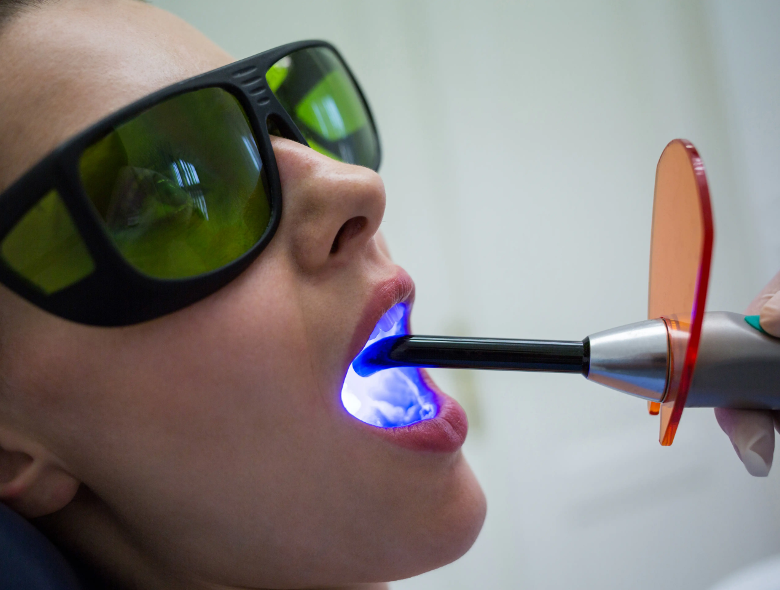
- if necessary, we now also use our laser dental equipment in for faster healing and maximum wound healing
- the pain, gum tension and congestion felt in your teeth is quickly reduced
- in all cases, we ensure sterile, bacteria-free sealing of the wisdom tooth site and rapid gum health regeneration
- We monitor and track your recovery with regular check-ups
Laser treatments They are not suitable for removing previously placed fillings from teeth, and in some cases, local anaesthetic injections are required for laser treatments. The various benefits of laser dental treatments are experienced to different degrees during the treatments themselves. Our aim is to ensure that our patients' treatments take place in the most relaxed atmosphere and friendly environment possible.
After your treatment, we will continue to help and support you with our advice to keep your teeth in good condition and your body healthy.
We welcome you in our practice!
Ask your Naturadent oral surgeons for help! Our team of experienced, trained, caring and always cheerful members will be happy to provide you and your family with their expertise, up-to-date knowledge, care and attention.